STOP WASTING MONEY: The Secret 2026 Smartphone Guide That Tech Giants Don’t Want You to See!
The year 2026 has arrived, and the “ugly truth” is that traditional value-for-money phones are becoming a rare breed. However, this is actually the perfect time to upgrade if you know exactly which “power moves” to make. Whether you are hunting for a high-spec beast or a budget-friendly miracle, here is everything you need to know to buy a phone that will make your friends jealous.

The “Must-Have” Specs for 2026
Before you drop a single rupee, you need to look past the marketing fluff. Here is the ultimate checklist for a future-proof device:
- Display is King: Do not settle for anything less than an OLED or AMOLED panel. These screens provide the deepest blacks and most vibrant colors, unlike older IPS LCDs that suffer from “IPS glow” in the dark. For that “butter-smooth” feel, look for a 120Hz or 144Hz refresh rate.
- The Power Formula: Check the Antutu Benchmark scores; look for high CPU and GPU numbers if you are a gamer, but pay special attention to the UX (User Experience) score for daily tasks. Ensure the phone has at least 8GB of RAM to handle modern apps.
- Battery Revolution: We are now seeing massive 7000mAh batteries that can last up to two days. If you hate waiting, prioritize phones with 80W fast charging or even wireless charging, which is now appearing in budget models.
- Storage: 128GB is the absolute minimum, but 256GB is the smart choice for 2026 since almost no new phones support external SD cards anymore.
The Current Rage: Popular Picks You Can’t Ignore
If you want to be part of the current trend, these models are dominating the conversation:
- The Ultra-Slim Innovator: The Techno Pova Slim is a modern marvel, measuring just 5.95mm thin. It’s so light you might forget it’s in your pocket, yet it still packs a 144Hz display.
- The Customization King: The CMF Phone 2 Pro is the ultimate “aesthetic” choice. It features a unique design where you can screw on different colored back panels and even has a physical wheel you can spin like a fidget toy.
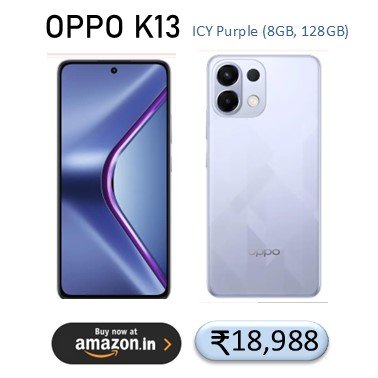
- The Gaming Specialist: For raw power under ₹20,000, the Oppo K13 is making waves as one of the first phones in its segment to feature a built-in cooling fan to keep frame rates stable during heavy gaming.
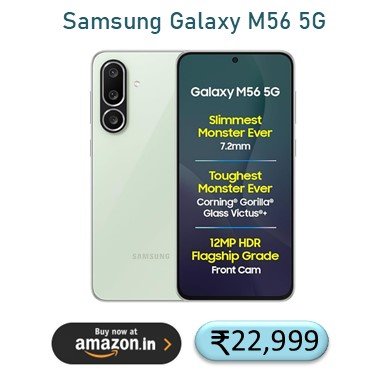
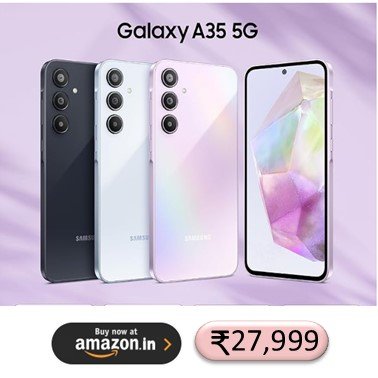
- The Reliable Workhorse: The Samsung Galaxy M56 and A35 are popular for those who want longevity, offering up to 6 years of security updates and premium glass builds.
The “Pro” Hack: Why Last Year’s Flagship is Better
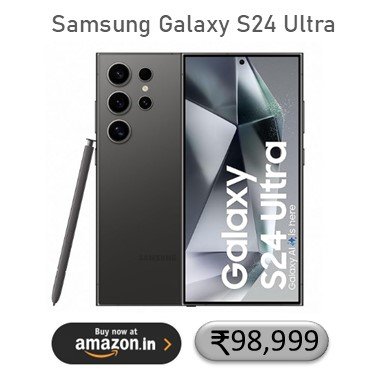
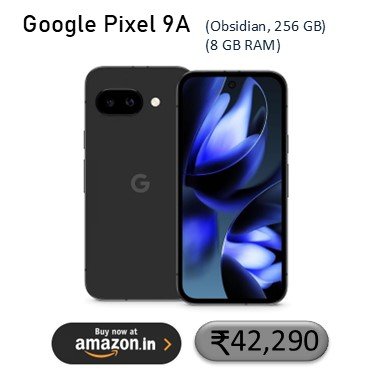
In 2026, one of the smartest moves is to ignore the “latest” launch and grab a previous year’s flagship at a massive discount. For example, the Samsung S24 Ultra, which launched at a premium price, often sees huge price cuts while still offering a titanium design, a powerful 8-series processor, and the Bluetooth S-Pen. Similarly, the Pixel 9 offers the “OG” Android experience and world-class cameras for a fraction of the cost of new releases.
Final Verdict: iPhone or Android?
The choice depends on your lifestyle. iPhones remain the gold standard for ecosystem harmony (like AirDrop and Continuity Camera) and they retain their resale value much better than any other brand. However, Android offers far more variety, freedom, and customization.
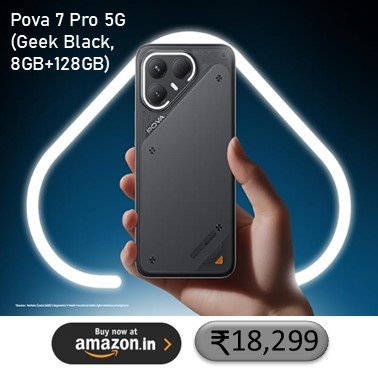
Don’t wait too long—tech experts suggest that phone prices are expected to rise over the next few years, making now the most important time to secure your next device. Whether it’s the glowing lights of the Techno Pova 7 Pro or the clean software of a Nothing Phone, your perfect upgrade is waiting.
Identifying the smartphone with the best camera depends heavily on your budget and whether you prioritize flagship performance or value-for-money in the mid-range segment.
Top Flagship Camera Choices
- Google Pixel 9: If raw photo quality is your primary concern, the Google Pixel 9 is highly recommended for its “incredible photos” and “OG Android” camera experience, which often outperforms competitors in direct comparisons.
- Samsung Galaxy S24 Ultra: For those seeking a versatile and professional setup, the S24 Ultra remains a top choice in 2026. It features a titanium design and a camera system so robust that it is considered virtually identical to the newer S25 Ultra in terms of battery, charging, and general photography performance.
- OnePlus 13: This model is noted for its Hasselblad-branded cameras, which provide a more premium photography experience and better hardware than its successor, the OnePlus 15.
Best Mid-Range & Budget Cameras (Under ₹20,000 – ₹25,000)
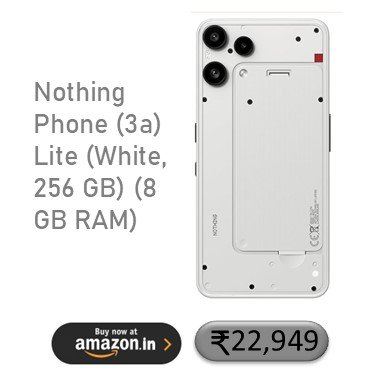
- Nothing Phone 3A: For users who want the best software-hardware balance, the Nothing Phone 3A is a standout because it includes a proper 2x dedicated telephoto camera, a rarity at its price point that allows for superior zoomed-in shots.
- Samsung Galaxy A35: This is considered one of the most reliable camera phones in the budget segment. It is praised for its subtle color reproduction, natural-feeling background blur, and solid edge detection in portrait mode.
- CMF Phone 2 Pro: This device offers a high-spec 50MP main sensor paired with a 50MP 2x telephoto lens. While its dynamic range is described as “okay,” it performs very well for the price, especially when taking close-up shots of flowers and objects.
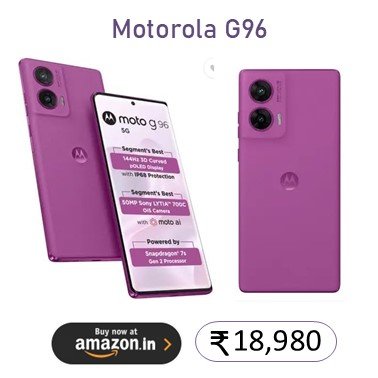
- Motorola G96: This model includes a 50MP sensor with OIS (Optical Image Stabilization), which helps with stability, and a 32MP front camera for high-resolution selfies.
What to Look for When Buying
When choosing a phone specifically for its camera, you should look beyond high megapixel counts, which can sometimes be a “small game” used by marketers. Instead, consider these factors:
- Optical Image Stabilization (OIS): Finding a phone with OIS is a “very good thing” as it significantly improves photo and video stability.
- Telephoto Lenses: Look for dedicated telephoto lenses (like those on the CMF Phone 2 Pro or Nothing Phone 3A) if you want to take high-quality zoomed portraits.
- Expert Rankings: Use resources like DxOMark to compare sensor quality, aperture, and lens performance rather than relying solely on advertised specs.
- Avoid Performance-First Compromises: Be aware that phones built primarily for gaming, such as the Oppo K13 or Realme P4, often compromise on camera quality, sometimes producing flat colors or inaccurate skin tones.