Current Scenario
Petrol and diesel prices in India have always been a matter of public concern due to their direct impact on daily life and the economy. Rising fuel prices increase transportation costs, leading to inflation and affecting common people as well as industries.

Present Situation in India (2026)
The current fuel price situation in India is complex. Despite a sharp rise in global crude oil prices—crossing $100 per barrel due to geopolitical tensions—retail petrol and diesel prices have remained mostly stable in recent weeks.
However, there are warning signs:
- Prices of premium petrol and industrial diesel have increased recently.
- Global conflicts (especially in the Middle East) are disrupting oil supply chains.
- India is facing pressure because it imports about 85–88% of its crude oil needs.
Although the government is trying to control retail prices to avoid inflation, experts warn that sustained high crude prices may lead to future hikes.
Major Reasons Behind Fuel Price Hike
– Rising Global Crude Oil Prices
The primary reason is the increase in international crude oil prices due to geopolitical conflicts, especially in oil-producing regions.
– High Dependence on Imports
India imports most of its crude oil, making it vulnerable to global price fluctuations.
– Currency Exchange Rate (USD vs INR)
Oil is traded in US dollars. A weaker Indian rupee increases import costs, leading to higher fuel prices.
– High Taxes (Central and State)
A significant portion of petrol and diesel prices in India consists of taxes imposed by both central and state governments.
– Supply Chain Disruptions
Events like war or blockage of key routes (e.g., Strait of Hormuz) disrupt supply and increase prices.
– Transportation and Distribution Costs
Fuel prices vary across states due to logistics and transportation expenses.
Impact of Price Hike
- Inflation rises due to increased transportation costs
- Cost of goods increases, affecting common people
- Industrial costs go up, reducing profit margins
- Economic growth may slow down
Possible Solutions
i. Reduction in Taxes
Lowering excise duty and VAT can immediately reduce fuel prices for consumers.
ii. Diversification of Energy Sources
India should invest more in:
- Renewable energy (solar, wind)
- Electric vehicles (EVs)
iii. Increase Domestic Production
Boosting local oil exploration can reduce dependence on imports.
iv. Strengthening Strategic Reserves
Maintaining large oil reserves can help stabilize prices during global crises.
v. Promoting Public Transport
Encouraging mass transport systems can reduce fuel demand.
vi. Alternative Fuels
Use of ethanol blending, CNG, and hydrogen fuel can reduce reliance on petrol and diesel.
My Counsel
The petrol and diesel price hike in India is influenced by both global and domestic factors. While the government is currently controlling retail prices, rising global tensions and crude oil costs pose a significant risk. Long-term solutions lie in reducing import dependency, promoting clean energy, and reforming taxation policies.
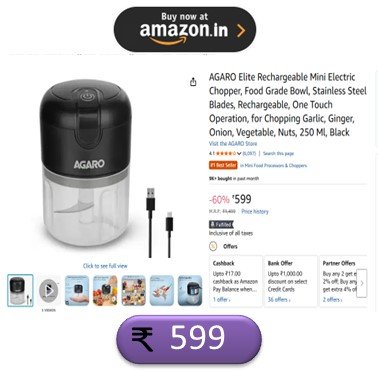
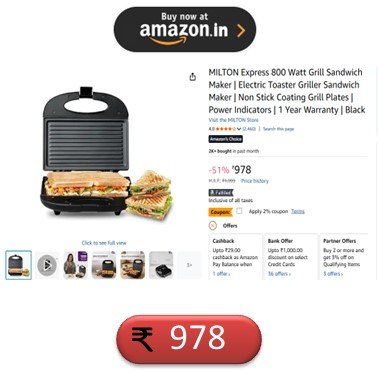
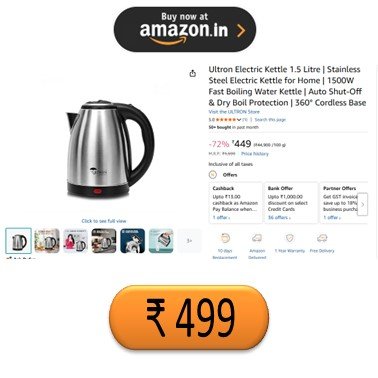
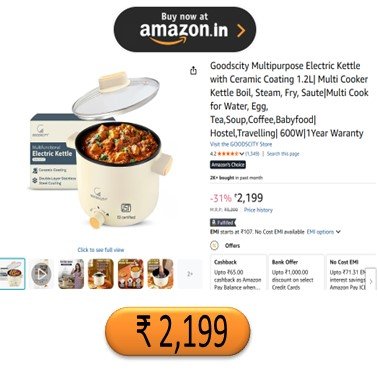
With rising LPG prices and possible supply delays, induction cooktops and electric kettles provide a reliable backup for daily cooking. They are quick, easy to use, and work on regular electricity, ensuring uninterrupted meal preparation. Having one at home adds convenience and reduces dependence on a single fuel source.