Many women grow up believing that prioritizing themselves is selfish. Responsibilities toward family, career, and relationships often come first, while personal needs are pushed aside. Over time, this constant giving without replenishing leads to exhaustion, frustration, and emotional burnout.
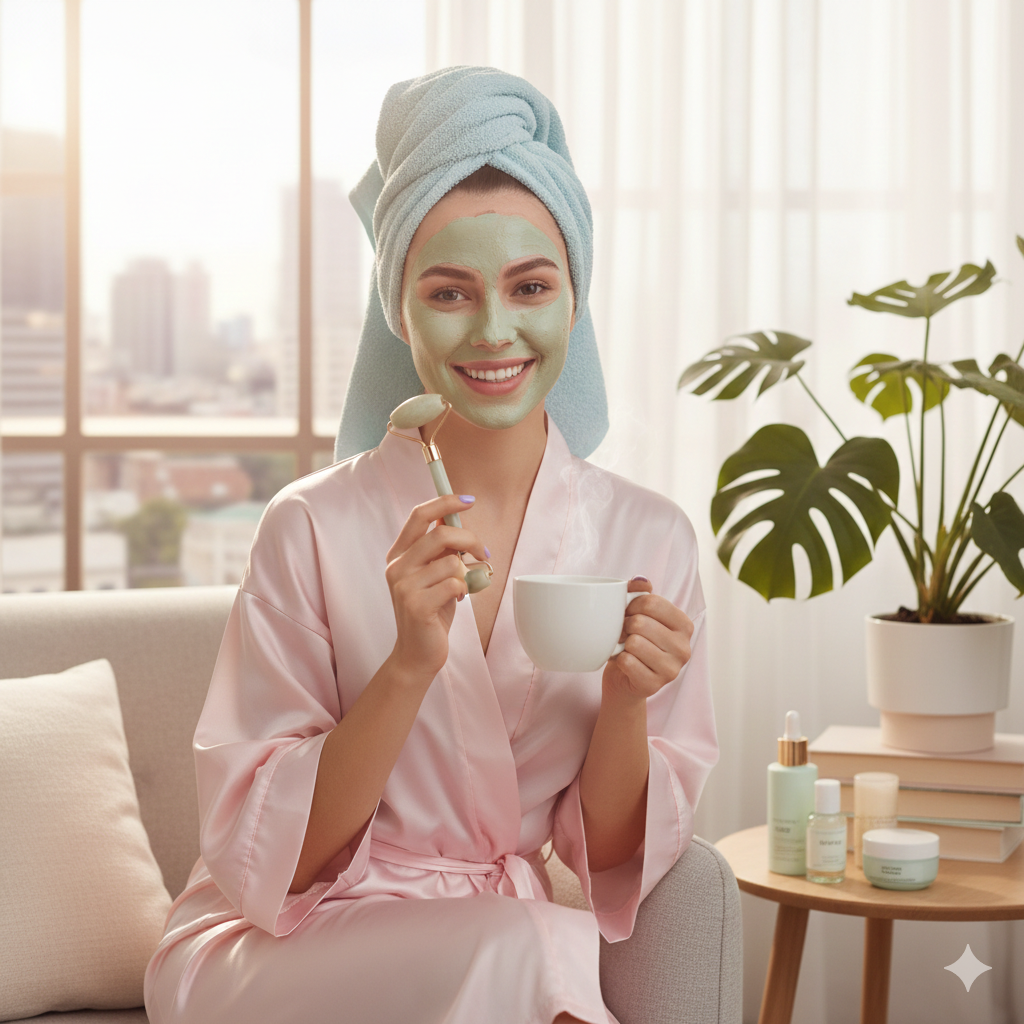
Self-care is not a luxury. It is a necessity for physical, emotional, and mental well-being.
Understanding What Self-Care Really Means
Self-care is not only about spa days or vacations. It includes simple daily actions that maintain your health and balance.
Self-care can mean:
- Getting enough sleep
- Eating nourishing food
- Saying no when needed
- Taking short breaks
- Protecting your mental space
It is about maintaining your capacity to function at your best.
You Cannot Pour From an Empty Cup
When you constantly prioritize others without caring for yourself, your energy decreases. Fatigue builds up, patience reduces, and stress increases.
Taking care of yourself ensures that you can continue supporting others without resentment or burnout.
Self-care strengthens your ability to give, not weakens it.
Improves Mental Health
Ignoring your own needs increases anxiety and emotional instability. Regular self-care practices help regulate stress levels.
Activities such as walking, journaling, reading, or simply resting calm the nervous system and improve mood.
When your mind is stable, decision-making becomes clearer and relationships improve.
Supports Physical Health
Chronic stress affects immunity, digestion, sleep, and hormonal balance. Self-care practices like proper nutrition, exercise, and relaxation directly impact physical well-being.
Preventive care is easier than recovery.
Making time for regular health check-ups, physical activity, and balanced meals reduces long-term health risks.
Builds Self-Respect
Prioritizing yourself communicates a powerful message — that your needs matter.
When you set boundaries and allocate time for yourself, you reinforce your self-worth. Others also learn how to treat you based on how you treat yourself.
Self-respect attracts healthier relationships.
Increases Productivity
Rest and renewal improve focus and efficiency. When you take short breaks, your brain performs better.
Overworking without rest reduces creativity and problem-solving ability. Balanced routines increase long-term productivity.
Quality work comes from a well-rested mind.
Strengthens Emotional Balance
Self-care creates space to process emotions instead of reacting impulsively. When you give yourself time to recharge, you respond more calmly to challenges.
Emotional balance improves communication and reduces unnecessary conflict.
Practical Ways to Practice Self-Care
You do not need hours each day. Small actions are enough:
- Wake up 20 minutes earlier for quiet time
- Take a short walk after work
- Limit screen time before bed
- Practice deep breathing
- Spend time doing something you enjoy
Consistency matters more than duration.
Let Go of Guilt
Feeling guilty about resting or prioritizing yourself is common, but unnecessary. Caring for yourself is part of responsible living.
Self-care is not neglecting others. It is strengthening yourself so you can handle life’s responsibilities with clarity and energy.
When you value your well-being, you build resilience, confidence, and long-term stability. Self-care is not selfish — it is essential for a healthy and balanced life.