Nutrition plays a foundational role in every stage of a woman’s life. From adolescence to pregnancy, from career-building years to menopause and beyond, the body undergoes constant hormonal and physiological changes. Proper nutrition is not only about maintaining weight — it is about supporting energy, immunity, hormonal balance, and long-term health.
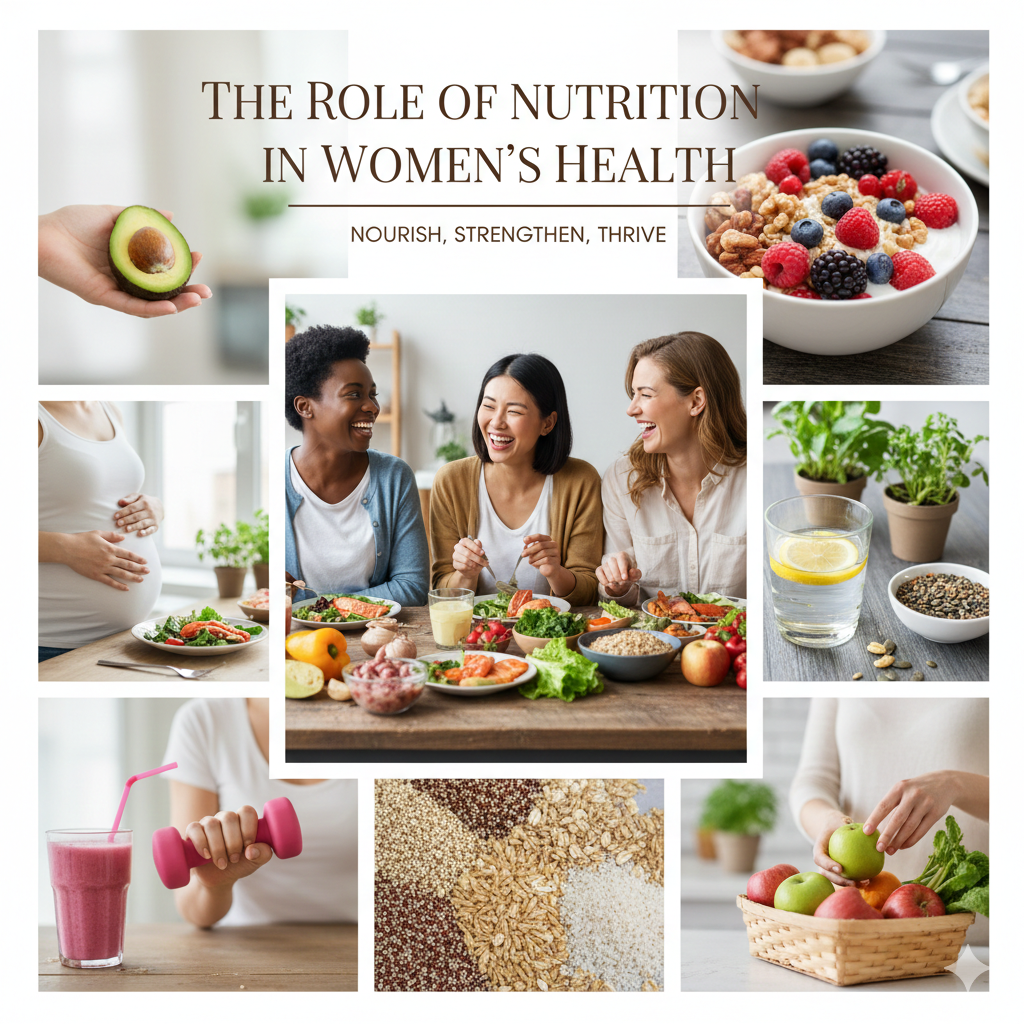
Understanding what your body needs helps you make smarter food choices and avoid deficiencies that may affect overall well-being.
Why Women Have Unique Nutritional Needs
Women’s bodies function differently from men’s due to hormonal cycles, reproductive health, and metabolic differences. These factors influence nutrient requirements.
For example:
- Menstruation increases iron needs
- Pregnancy increases protein, folate, and calcium demands
- Menopause raises the importance of calcium and vitamin D
Ignoring these changes can lead to fatigue, weak bones, hormonal imbalance, and reduced immunity.
Protein: The Building Block
Protein is essential for:
- Muscle repair
- Hormone production
- Skin and hair health
- Immune support
Women often underestimate their protein intake. Including sources like lentils, beans, eggs, dairy, tofu, nuts, seeds, and lean meats can help meet daily requirements.
Adequate protein also supports metabolism and prevents muscle loss as you age.
Iron: Preventing Fatigue
Iron deficiency is one of the most common nutritional issues among women, especially during reproductive years.
Low iron levels can cause:
- Weakness
- Dizziness
- Hair fall
- Reduced concentration
Iron-rich foods include spinach, lentils, beans, red meat, and fortified cereals. Pairing iron with vitamin C-rich foods improves absorption.
Calcium and Vitamin D: Protecting Bone Health
Women are at higher risk of osteoporosis, particularly after menopause. Calcium and vitamin D are crucial for maintaining bone density.
Good sources include:
- Milk and dairy products
- Leafy green vegetables
- Almonds
- Sunlight exposure for vitamin D
Strength training combined with proper nutrition further supports bone health.
Healthy Fats: Hormonal Balance
Healthy fats are important for hormone production and brain health. Avoiding fats completely can disrupt hormonal balance.
Include:
- Nuts and seeds
- Avocados
- Olive oil
- Fatty fish
These fats also support skin health and reduce inflammation.
Fiber: Digestive and Metabolic Health
Fiber supports digestion, stabilizes blood sugar, and promotes heart health.
Whole grains, fruits, vegetables, and legumes are excellent fiber sources. Adequate fiber intake helps prevent bloating and supports weight management.
Hydration Matters
Water plays a vital role in:
- Energy levels
- Skin health
- Digestion
- Detoxification
Even mild dehydration can cause headaches, fatigue, and poor concentration. Aim for consistent water intake throughout the day.
Nutrition During Different Life Stages
Adolescence:
Focus on iron, protein, and calcium to support growth.
Reproductive Years:
Balanced diet with adequate iron, folate, and healthy fats.
Pregnancy:
Increased protein, folic acid, iron, and calcium intake under medical supervision.
Menopause:
Higher calcium, vitamin D, and protein to maintain bone and muscle health.
Avoid Extreme Dieting
Crash diets and severe calorie restriction can disrupt hormones, slow metabolism, and affect mental health. Sustainable eating patterns are more effective than temporary restrictions.
Balanced nutrition includes moderation, variety, and consistency.
The Bigger Picture
Nutrition influences more than physical appearance. It affects mood, cognitive function, sleep quality, and long-term disease prevention.
Small daily food choices accumulate over time. Choosing whole foods over processed options, eating balanced meals, and listening to your body can significantly improve overall health.
Women’s health thrives when nourishment is prioritized — not as a short-term plan, but as a lifelong commitment.